
Why a clear spec matters in primary care
GP practices and health centres are high-footfall spaces where patient confidence depends on visible, consistent standards. A written cleaning specification keeps routines predictable, supports audit trails, and helps evidence compliance during inspections. It also makes budgeting transparent—everyone knows what is cleaned, how often, and to what standard, as part of your daily contract cleaning.
What a good daily routine looks like in clinical settings
- Reception and waiting areas: touch points (chairs, counters, door plates, pens), floors and visible surfaces.
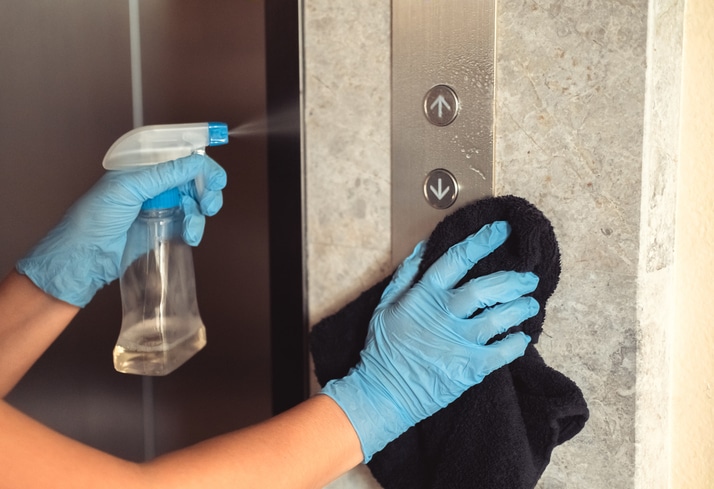
- Clinical rooms: wipe couches, trolleys and worktops; disinfect high-touch points; refresh bins and sharps containers per policy.
- WC/washrooms: clean and disinfect fixtures; restock soap and paper; mop and dry floors.
- Staff areas: kitchenettes, break rooms and offices kept tidy and sanitised.
- Floors: vacuum carpets; mop hard floors with slip risk in mind; machine scrub on a planned cycle.
- Waste & recycling: remove to agreed collection points with clear segregation.
Planned bolt-ons within the contract (not one-offs): internal glass, external windows (on an agreed cycle), targeted carpet extraction, and washroom hygiene/consumables.
Frequencies that work for surgeries
Daily: reception, waiting areas, clinical rooms, washrooms, main routes and touch points.
Twice daily (busy clinics): washrooms and key touch points near reception and phlebotomy.
Weekly: detail clean of staff areas, glass partitions and skirtings.
Monthly/quarterly: high-level dusting, machine scrub of hard floors, targeted carpet care in high-traffic zones.
Out-of-hours cleaning, access and minimal disruption
Most practices prefer early morning or evening cleaning. We work to your access rules—key safes, alarm codes, escorts—and keep disruption low during clinics. Supervisors perform spot checks and log visits digitally so issues are picked up quickly.
Mobilisation for healthcare sites
Site survey and scope
We map floor finishes, room functions (clinical vs non-clinical), footfall and risk areas.
Specification and schedule
Daily and periodic tasks set by room type, frequency and open hours.
RAMS & COSHH
Site-specific risk assessments and product data, with colour-coding to avoid cross-contamination. See COSHH guidance for cleaning for general chemical safety context.
Team, training and supervision
Named operatives with induction to local protocols and expectations; a dedicated account manager to handle changes quickly.
First-month review
A check-in to adjust timings, frequencies and any consumables plan.
Products, methods and sustainability
Fit-for-purpose products are used with measured dilution to reduce waste. Microfibre systems and colour-coding help prevent cross-contamination, while HEPA-filtered vacuums support dust control. Lower-impact options and refill/dispense plans can be specified where sustainability targets apply.
How we measure quality
- Regular audits and clear standards keep everyone aligned. We share short reports with actions so you can see what’s been done and when.
- Monthly quality audit score with photos and follow-ups.
- Attendance and timing: planned vs actual visits.
- Issues fixed by the next visit.
- Soap, towels and toilet tissue kept in stock.
Health, safety and documentation
You’ll receive site-specific RAMS, COSHH data and equipment checks where relevant. We follow your site inductions and agree additional controls for higher-risk rooms (e.g., treatment and minor procedure rooms). See infection‑prevention basics for general IPC principles.
Add-ons within the contract (not one-offs)
- Window cleaning: internal glass built into rounds; external on an agreed cycle.
- Carpet cleaning: targeted extraction on a quarterly/biannual plan.
- Washroom hygiene & consumables: supply and restock via a simple plan.
Pricing and how we start
Most practices are priced per visit or per contracted hour, with periodic tasks bundled in. After a site survey, we’ll confirm the spec and schedule and agree a start date that avoids clinic peaks.
What you’ll notice after month one
- Fewer small complaints about washrooms and waiting areas.
- Consistently clean touch points.
- Clear, simple records of work completed.
- A contract that runs in the background with swift responses via your account manager.
FAQs
Can you clean during clinic hours?
Yes. We can split shifts and work around appointments with quiet, low-disruption routines.
Do you supply washroom products and clinical consumables?
We can supply agreed washroom products within the contract. Clinical consumables follow your practice’s policy—tell us what you prefer and we’ll plan accordingly.
How quickly can you start?
Following a site survey, mobilisation usually takes a few weeks, depending on size and recruitment.
Do you provide evidence for inspections?
Yes. Audit summaries and digital logs are available, with actions and dates so you can evidence standards.
If you’d like a practical, healthcare-ready daily cleaning spec for your GP or health centre in the South West, book a site survey and we’ll map tasks, frequencies and standards to your site.